What Is Caffeine?
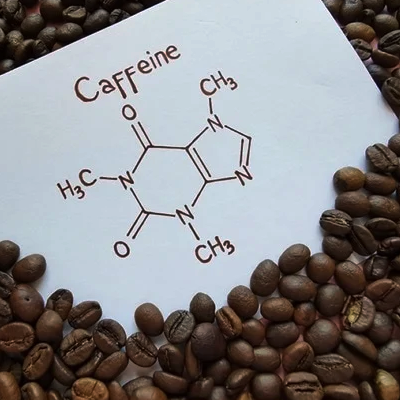
Caffeine is a naturally occurring compound that acts as a mild stimulant in the human body. It belongs to a group of substances called methylxanthines and is most commonly consumed for its alertness-enhancing effects. Because it is water- and fat-soluble, caffeine is quickly absorbed and begins working shortly after intake.
This compound is found in a variety of plants, where it serves as a natural defense against insects. Humans encounter caffeine most often through coffee beans, tea leaves, cacao, and guarana seeds. Over time, these plant sources became part of cultural rituals tied to work, social interaction, and daily routines.
People primarily use caffeine to feel more awake, attentive, and mentally engaged. It is widely consumed in the morning or during periods of low energy because it reliably increases perceived alertness. For many, caffeine functions as a practical tool for managing daily demands rather than a performance enhancer in the extreme sense.
As one of the most studied psychoactive substances in the world, caffeine has a well-documented profile. Its effects, benefits, and limitations are broadly understood, which makes it a useful baseline for discussions around focus, energy, and productivity.
How Caffeine Works in the Body
Caffeine works primarily by interacting with a chemical messenger in the brain called adenosine. Adenosine builds up throughout the day and contributes to feelings of tiredness and mental slowdown. When caffeine enters the system, it temporarily blocks adenosine from binding to its receptors.
By limiting adenosine’s effect, caffeine reduces the sensation of fatigue rather than directly creating energy. This shift allows other stimulating neurotransmitters, such as dopamine and norepinephrine, to become more active. The result is increased alertness and a heightened sense of mental readiness.
Caffeine also stimulates the central nervous system, which can increase reaction speed and reduce the perception of effort. This stimulation is why tasks often feel easier or more manageable after consumption. The effect is dose-dependent and varies from person to person.
Because caffeine does not eliminate fatigue at its source, its effects are temporary. Once it wears off and adenosine activity resumes, the body’s underlying energy state becomes more noticeable, which explains why timing and dosage matter.
Caffeine and Mental Focus
Caffeine can improve mental focus by enhancing attention, vigilance, and task engagement. Many people experience a clearer mental state shortly after consuming it, particularly during repetitive or cognitively demanding work. This effect is most noticeable when baseline alertness is low.
In moderate amounts, caffeine helps sustain concentration over longer periods by reducing mental drift. It can support activities that require sustained attention, such as reading, writing, or problem solving. For this reason, it is commonly used during work sessions or study periods.
However, focus can suffer when caffeine intake is too high or poorly timed. Excessive stimulation may increase restlessness or mental noise, making it harder to concentrate deeply. Individual sensitivity plays a significant role in determining this balance.
Because of these variables, caffeine sits at the intersection of focus, cognition, and productivity. Understanding how it supports attention provides a foundation for exploring related topics such as mental performance and cognitive support strategies.
Caffeine for Energy and Performance
Caffeine influences both mental and physical energy, though the experience differs between the two. Mentally, it tends to improve perceived energy by reducing fatigue and increasing motivation. Physically, it can lower the sensation of effort during movement or activity.
In work environments, caffeine is often used to maintain consistent output during long or demanding days. It can help people stay engaged with tasks that require sustained effort, especially when energy would otherwise decline. This makes it a common part of professional routines.
Students also rely on caffeine for similar reasons. During studying or exam preparation, it is frequently used to extend focus and improve alertness. Its effects are most useful when combined with adequate rest and nutrition.
Caffeine is also used before light to moderate exercise, where it can enhance endurance and perceived stamina. While not a substitute for conditioning or recovery, it plays a role in performance contexts that extend beyond purely physical training.
Caffeine Sources Compared
Coffee is the most widely consumed source of caffeine and provides a relatively fast onset of effects. Its caffeine content can vary significantly depending on the type of bean, roast, and preparation method. Many people prefer coffee for its strong and predictable impact.
Energy drinks often contain caffeine alongside sugar, sweeteners, and other stimulatory ingredients. Their effects may feel more intense due to formulation and speed of consumption. This combination can influence both energy levels and the likelihood of a crash.
Tea generally contains less caffeine than coffee and delivers it more gradually. The presence of other natural compounds can contribute to a smoother experience for some individuals. Tea is often chosen when a milder or longer-lasting effect is preferred.
Caffeine supplements and pills provide a measured dose without additional flavor or calories. While precise, they lack the contextual compounds found in plant sources. This makes them functional but less nuanced in how they affect energy and focus.
Caffeine Tolerance, Timing, and Dosage
Regular caffeine use can lead to tolerance, meaning the same amount produces a weaker effect over time. This occurs as the body adapts by increasing adenosine receptor sensitivity. As tolerance builds, users may feel the need to increase intake to achieve the same result.
Timing plays a major role in how caffeine feels. Consuming it earlier in the day generally aligns better with natural energy rhythms. Later use can interfere with sleep, which ultimately reduces overall energy and focus the next day.
General intake ranges vary widely, but most people respond well to moderate amounts spread consistently rather than concentrated all at once. Sensitivity depends on genetics, body size, and habitual use. Paying attention to personal response is more useful than following rigid rules.
Responsible use emphasizes awareness rather than maximization. Understanding tolerance and timing helps maintain effectiveness while reducing unwanted side effects.
Caffeine Crash — Why It Happens
A caffeine crash refers to the drop in energy or focus that can follow stimulation. This often occurs when caffeine wears off and adenosine activity rebounds. The contrast between stimulated and baseline states can feel abrupt.
Blood sugar fluctuations can also contribute, especially when caffeine is paired with high sugar intake. Rapid rises and falls in glucose can amplify fatigue once the stimulant effect fades. This is a common factor with sweetened energy products.
Overuse or poor timing increases the likelihood of a crash. Large doses taken infrequently tend to produce sharper peaks and deeper declines. Sleep disruption further compounds this effect.
Understanding why crashes happen reframes caffeine as a tool that requires strategy. The goal is not to avoid stimulation, but to use it in a way that supports steadier energy.
How to Use Caffeine More Effectively
Using caffeine alongside food can moderate its absorption and reduce sudden spikes. Meals that include protein or fiber often lead to a smoother experience. This approach supports sustained energy rather than quick bursts.
Caffeine is also commonly combined with compounds that support calm focus. These combinations aim to balance stimulation with mental clarity. The result is often a more controlled and predictable effect.
Consistency matters more than intensity. Smaller, regular amounts tend to be easier to manage than large, infrequent doses. This reduces tolerance swings and improves day-to-day reliability.
Effective use is less about pushing limits and more about alignment. When caffeine fits into a broader routine, it becomes supportive rather than disruptive.
Explore Caffeine-Related Topics
Understanding caffeine at a foundational level opens the door to more specific discussions around energy, focus, and performance. For a practical example of how caffeine is used within a modern performance-focused formulation, explore how we approach caffeine at PULSAR.
Caffeine intersects with a wide range of topics related to energy, focus, and performance, extending beyond simple stimulation into how people structure their days and manage mental demands. From productivity strategies to alternative sources and formulations, each angle builds on the same core principles. This section serves as a gateway to deeper exploration, with the following topics expanding on how caffeine interacts with cognition, energy systems, and daily performance habits.