Pre-workout and athletic energy are often framed as a question of intensity rather than control. Many products promise explosive power, extreme focus, or instant drive, but athletic performance depends just as much on timing, nervous system balance, and energy sustainability as it does on stimulation. Whether training for endurance, strength, or skill-based sports, effective pre-workout energy supports output without compromising coordination, recovery, or long-term consistency.
From a physiological standpoint, pre-workout energy is largely about preparing the nervous system and muscles for effort. Stimulation increases motor unit recruitment, reaction speed, and perceived readiness, but excessive stimulation can interfere with fine motor control and pacing. Athletes who rely on overly aggressive pre-workout formulas often experience rapid fatigue, elevated heart rate, or diminished performance late in sessions.
Caffeine is the most widely studied and consistently effective pre-workout compound. Research shows that caffeine can improve endurance, power output, reaction time, and perceived effort when used appropriately. Its benefits extend across multiple types of training, including resistance exercise, aerobic activity, and mixed-modal workouts. However, caffeine’s effectiveness depends heavily on dose, absorption rate, and individual tolerance.
One problem with many traditional pre-workout supplements is formulation density. High stimulant loads, artificial sweeteners, and unnecessary additives can stress the digestive system and nervous system before training even begins. This often leads to jitters, nausea, or crashes mid-workout. For athletes training frequently, these effects compound and interfere with recovery and consistency.
Another overlooked factor is timing. Pre-workout energy should peak as training begins, not fifteen minutes before or an hour into the session. Fast-absorbing stimulants can overshoot this window, creating an early spike followed by decline during the workout itself. More controlled energy delivery supports sustained output, particularly for longer sessions or endurance-based training.
Athletic energy is also influenced by stress load and recovery status. Training already places demands on the nervous system, and adding excessive stimulation on top of existing fatigue can reduce performance quality. Compounds that support calm focus and stress regulation can improve training efficiency by keeping arousal within an optimal range rather than pushing it too high.
Nutrition and hydration further shape how pre-workout energy feels. Training in a depleted state increases reliance on stimulants while reducing actual performance capacity. Balanced fueling supports muscular endurance and cognitive engagement during workouts, making stimulation a complement rather than a crutch. Athletes who manage energy holistically tend to rely less on extreme pre-workout formulas.
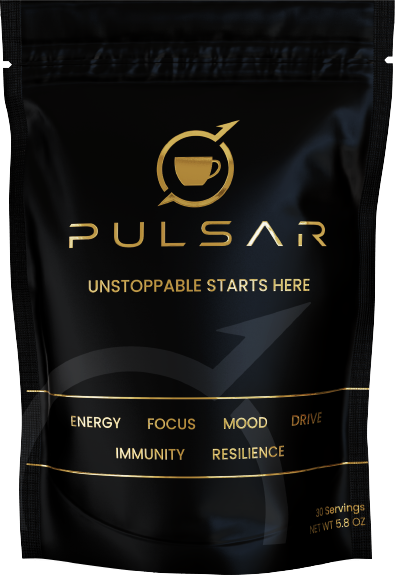
PULSAR Coffee fits into the pre-workout conversation by offering a different approach to athletic energy. Instead of acting like a conventional pre-workout supplement, it delivers caffeine in a form that supports focus, coordination, and sustained drive. By pairing caffeine with ingredients chosen to smooth stimulation and reduce nervous system noise, it can function as a practical pre-training option for athletes who want energy without excessive intensity.
This approach is especially relevant for athletes who train early, train frequently, or combine physical and cognitive demands in the same day. Energy that feels controlled rather than explosive allows for better pacing, improved technique, and more consistent performance across sessions. It also reduces reliance on multiple servings or escalating doses over time.
Ultimately, effective pre-workout and athletic energy are about alignment rather than amplification. Stimulation should enhance readiness, not overwhelm it. When caffeine is delivered thoughtfully and supported by ingredients that promote focus and stability, it can improve training quality without compromising recovery. Understanding how pre-workout energy interacts with physiology allows athletes to choose strategies that support long-term performance rather than short-lived intensity.