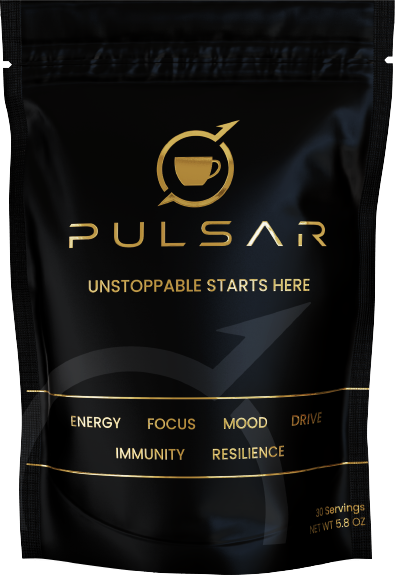
Adaptogens are a class of plant-derived compounds traditionally used to help the body adapt to physical, mental, and environmental stress. The term was originally coined to describe substances that support resilience and balance rather than producing a single, forceful effect. In modern wellness culture, adaptogens are often marketed as stress cures or performance enhancers, but their real value lies in subtler physiological support rather than immediate or dramatic outcomes.
Historically, adaptogens come from herbal traditions such as Traditional Chinese Medicine and Ayurveda, where they were used to support vitality, endurance, and recovery over long periods of time. Common examples include ashwagandha, rhodiola, ginseng, and certain medicinal mushrooms. These compounds were not intended for acute stimulation, but for maintaining equilibrium during prolonged stress or exertion.
From a scientific perspective, adaptogens are thought to work by influencing the body’s stress response systems, particularly the hypothalamic-pituitary-adrenal axis. This system regulates cortisol release and helps coordinate how the body responds to stress. Rather than increasing or suppressing cortisol outright, adaptogens appear to help normalize stress responses, supporting balance when levels are too high or too low.
Research on adaptogens shows mixed but promising results. Some studies suggest benefits for perceived stress, fatigue, and mental performance, particularly under conditions of chronic stress. However, effects are often modest and context-dependent. Many studies are small or short-term, and results can vary significantly based on extract type, dosage, and study population. This variability makes broad claims difficult to support.
One common misconception is that adaptogens provide immediate, noticeable effects similar to stimulants. In reality, most adaptogens work gradually and require consistent use over time. Their benefits are often described as feeling more stable or resilient rather than energized or focused. This subtlety is frequently overlooked in marketing, leading to disappointment when expectations are set too high.
Another issue is formulation quality. Not all adaptogen products use standardized extracts or clearly disclose sourcing and potency. Whole powders, low-dose blends, or poorly absorbed forms may deliver little physiological impact. Without transparency around extract ratios and active compounds, it becomes difficult to evaluate whether a product is likely to be effective.
Adaptogens also do not function in isolation from lifestyle factors. Sleep quality, nutrition, workload, and baseline stress levels have a much larger influence on resilience than any single compound. Adaptogens tend to amplify supportive conditions rather than compensate for chronic overload. When foundational habits are neglected, their effects are often minimal.
Individual response plays a significant role as well. Some people report noticeable improvements in stress tolerance or energy with adaptogen use, while others experience little change. Genetics, existing hormone balance, and nervous system sensitivity all influence outcomes. This variability makes personalization more important than generalized recommendations.
In recent years, adaptogens have been heavily incorporated into products positioned for productivity and performance. While this can make sense in certain contexts, adaptogens are best understood as support tools rather than primary drivers of energy or focus. When paired thoughtfully with other strategies, they can contribute to long-term sustainability, but they are not substitutes for rest or recovery.
Ultimately, adaptogens occupy a unique space between traditional medicine and modern performance science. Their value lies in supporting the body’s ability to handle stress over time rather than delivering immediate results. Understanding their limitations, appropriate use, and evidence base helps separate meaningful application from marketing narratives, allowing adaptogens to be used realistically and responsibly.