Coffee alternatives have gained popularity as more people look for ways to manage energy, focus, and daily performance without relying exclusively on traditional coffee. These alternatives range from teas and mushroom blends to herbal drinks and stimulant-free formulations. While the category is often framed as a healthier or gentler replacement for coffee, the reality is more nuanced. Coffee alternatives solve certain problems for certain people, but they also introduce tradeoffs that are not always discussed clearly.
One reason people seek coffee alternatives is sensitivity to caffeine. Some individuals experience anxiety, jitters, or digestive discomfort from conventional coffee, especially at higher doses or on an empty stomach. Others are concerned about sleep disruption or caffeine dependence. For these users, alternatives that reduce or remove caffeine can feel more manageable, particularly during periods of stress or irregular schedules.
Tea is one of the most common coffee alternatives. Green tea and matcha provide caffeine alongside compounds like L-theanine that can smooth stimulation and reduce mental noise. This combination often produces a calmer experience than coffee, but it also delivers significantly less caffeine. For people who rely on coffee for strong alertness or long work sessions, tea may feel insufficient, especially during cognitively demanding tasks.
Mushroom-based drinks are another popular alternative, often marketed around focus, immunity, or stress reduction. These products typically contain medicinal mushrooms such as Lion’s Mane or Chaga, sometimes with minimal caffeine or none at all. While functional mushrooms have legitimate research behind them, many mushroom coffee alternatives are underdosed or prioritize wellness branding over measurable performance. The result is often subtle effects paired with weak energy and compromised taste.
Herbal coffee substitutes made from ingredients like chicory, barley, or dandelion root are completely caffeine-free and primarily serve as sensory replacements rather than functional ones. They may replicate some aspects of coffee’s bitterness or ritual, but they do not provide stimulation or cognitive enhancement. These options can be useful for people avoiding caffeine entirely, but they are not performance tools.
The key limitation of many coffee alternatives is that they attempt to replace caffeine rather than work with it. Caffeine remains one of the most reliable and well-studied compounds for improving alertness, vigilance, and reaction time. Removing it often reduces both the benefits and the drawbacks. For people who want energy and focus rather than simply a warm beverage, this tradeoff matters.
A more effective approach for many users is not eliminating coffee, but improving how it works. This is where functional formulations come into play. By managing caffeine dose, absorption, and nervous system response, it is possible to retain coffee’s performance benefits while reducing common side effects. This approach recognizes that the problem is rarely coffee itself, but how it is formulated and consumed.
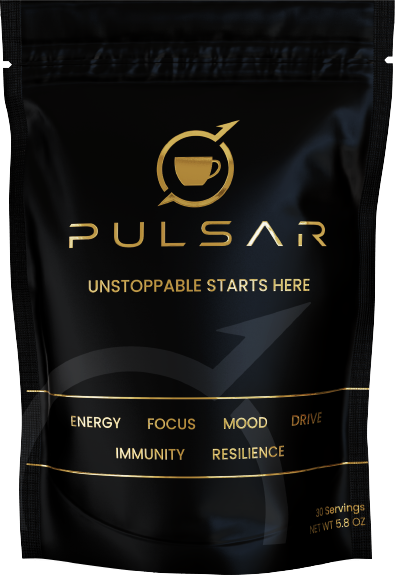
PULSAR Coffee fits into the conversation around coffee alternatives by addressing the reasons people look for alternatives in the first place. Instead of removing caffeine, it combines coffee with ingredients that support calm focus, sustained energy, and reduced overstimulation. The goal is not to replace coffee with something weaker, but to make coffee work better for modern demands.
From a cost perspective, coffee alternatives can also be misleading. Many specialty drinks are priced at a premium despite delivering minimal functional benefit or requiring multiple servings to feel effective. When compared on a per-serving basis, improved coffee formulations often provide stronger and longer-lasting results at a lower daily cost than many marketed alternatives.
Ultimately, coffee alternatives are not inherently better or worse than coffee. Their usefulness depends on individual goals, sensitivity, and context. For those seeking reduced stimulation, caffeine-free options may make sense. For those who need reliable energy and focus, improving the coffee experience rather than abandoning it entirely is often the more practical solution. Understanding these distinctions helps people choose alternatives that align with their needs rather than with marketing narratives alone.