Functional coffee has emerged as a response to a growing dissatisfaction with both traditional coffee and modern energy products. As people became more aware of the drawbacks associated with excessive sugar, synthetic stimulants, and erratic energy spikes, coffee began to evolve from a simple beverage into a functional delivery system. The idea behind functional coffee is straightforward. Keep what works about coffee while improving how it supports energy, focus, and long-term health. In practice, however, the category varies widely in quality and effectiveness.
Much of the functional coffee market is driven by marketing language rather than physiological outcomes. Labels often highlight adaptogens, nootropics, or superfoods without clearly explaining why those ingredients are included or whether they are present at meaningful doses. Many products rely on novelty rather than formulation logic. As a result, consumers are frequently left with coffee that tastes compromised, feels underpowered, or delivers benefits that are difficult to notice beyond placebo.
One of the most common misconceptions is that adding any functional ingredient automatically improves coffee. In reality, functional compounds interact with caffeine in complex ways. Some ingredients complement stimulation and focus, while others blunt it. Removing too much caffeine in the name of calm can leave users feeling flat or unproductive. Conversely, stacking stimulants without balance can amplify anxiety and nervous system strain. Functional coffee works best when it respects caffeine’s role instead of treating it as something to be masked or eliminated.
Another issue is dosage. Research-backed ingredients often require specific amounts to produce measurable effects. Many functional coffees include long lists of ingredients in trace quantities that are unlikely to deliver the benefits suggested on the label. This creates a disconnect between expectation and experience. When users say functional coffee does not work, the problem is rarely the concept. It is almost always execution.
Taste also plays a critical role in adoption. Coffee is a daily habit, not a supplement taken out of obligation. Functional coffees that sacrifice flavor in favor of ingredient signaling struggle to become part of a routine. Earthy, bitter, or medicinal profiles may align with wellness branding, but they limit long-term use. A functional coffee that does not taste like coffee is unlikely to replace coffee in a meaningful way.
From a physiological perspective, effective functional coffee focuses on three core areas. Sustained energy, cognitive clarity, and stress regulation. Sustained energy comes from managing caffeine absorption and metabolism rather than increasing total stimulant load. Cognitive clarity depends on neurotransmitter balance and reduced mental noise. Stress regulation ensures that stimulation remains usable rather than overwhelming. When these elements are aligned, coffee becomes a performance tool instead of a liability.
Scientific support exists for many ingredients commonly found in functional coffee, but context matters. Adaptogens and nootropics tend to work subtly and cumulatively rather than instantly. Their role is often supportive rather than dominant. Expecting these compounds to replace sleep, nutrition, or baseline energy is unrealistic. Functional coffee performs best when it enhances existing systems rather than compensating for chronic deficits.
Many functional coffee brands position themselves as gentler alternatives to traditional coffee or energy drinks. This framing appeals to consumers seeking calm or wellness, but it can underserve those who rely on coffee for productivity and output. The challenge is delivering both calm and drive without compromising either. Achieving that balance requires intentional formulation rather than broad wellness positioning.
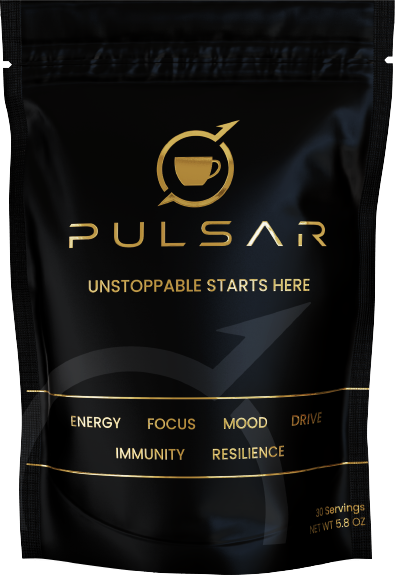
PULSAR was developed around this principle. Instead of removing coffee’s performance benefits, it builds on them by pairing caffeine with ingredients selected for their ability to support focus, motivation, and nervous system balance. Functional ingredients are chosen based on research density and real-world effectiveness, not trend appeal. The goal is not to soften coffee into something else, but to make it work better for the demands placed on modern users.
Ultimately, functional coffee is not defined by the number of ingredients it contains or the claims printed on the package. It is defined by outcomes. Does it deliver steady energy. Does it improve focus. Does it feel sustainable day after day. As the category continues to grow, separating meaningful formulation from marketing narratives becomes increasingly important. Functional coffee succeeds when it respects both the science of performance and the reality of how people actually use coffee.